

While industrial electricity is increasingly sourced from wind and solar, generating process heat and high-pressure steam remains a major carbon bottleneck for heavy manufacturing. High-efficiency biomass systems provide a clean alternative.
Replacing Coal with Agricultural Residues
By utilizing agricultural by-products and wood residues, modern industrial biomass boilers generate high-temperature process steam with net-zero carbon footprints, diverting organic waste from landfills.
Co-Generation: Combined Heat & Power (CHP)
Biomass CHP installations leverage high-pressure steam to drive turbines for clean electricity, then recover the exhaust heat for process drying and space heating, boosting overall energy efficiency to over 85%.
“Industrial heat cannot be easily electrified. Biomass co-generation offers the thermal energy needed for manufacturing under clean, closed-loop carbon models.”
— Rohan De Silva, Pan Oleo InsightsConclusion
Investing in biomass co-generation allows manufacturers to secure localized, reliable steam supplies while eliminating exposure to fossil fuel price volatility and carbon taxes.
Search Insights
Recent Publications
Related Articles
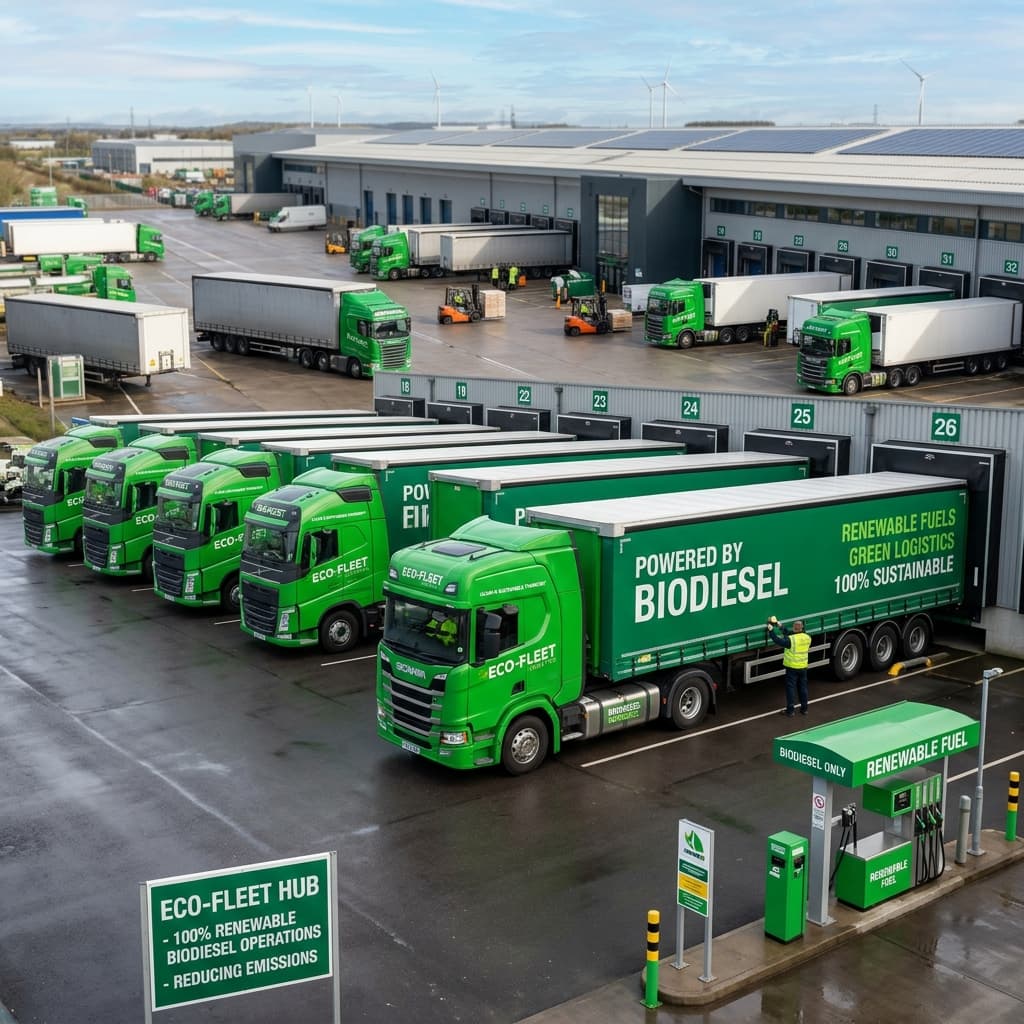
The Surge of HVO & Renewable Diesel in Commercial Transport

Sustainable Aviation Fuel (SAF): Clearing the Runway for Net-Zero
Have Questions About Sourcing Certifications?
Connect with our corporate sustainability consultants to discuss product LCA computations, audit parameters, or logistics allocations.
Get in Touch