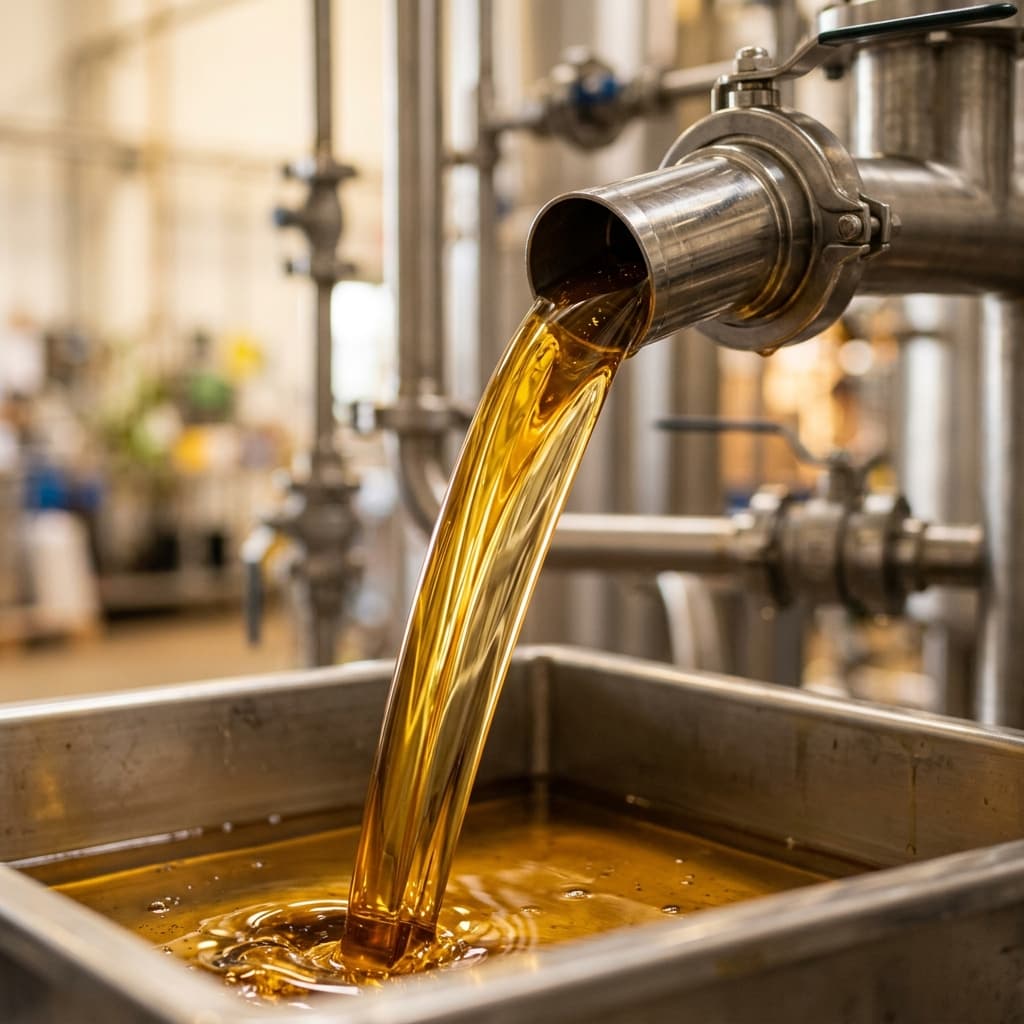
With mandates for advanced biofuels ramping up globally, Used Cooking Oil (UCO) has become one of the most sought-after waste lipid streams. However, verifying that UCO is authentic waste and not virgin oil requires rigid traceability protocols.
The Role of ISCC Certification
The International Sustainability and Carbon Certification (ISCC) EU system establishes strict rules for mass balance verification. Sourcing agencies must document every stage from point of origin (restaurants, food processors) through storage hubs and shipping terminals.
Mitigating Fraud in Feedstock Markets
To counter market fraud, companies like Pan Oleo are deploying digital ledgers. By linking shipping logs, chemical analysis reports, and certificate metadata, we ensure that every batch of feedstock can be traced back to its collection source.
“A biofuel is only as sustainable as the feedstock it is derived from. Without robust audit records, ESG claims fall apart.”
— Sarah Jenkins, Pan Oleo InsightsConclusion
Rigorous sourcing verification safeguards both corporate compliance and environmental integrity, laying the foundation for a truly circular bioeconomy.
Search Insights
Recent Publications

Related Articles
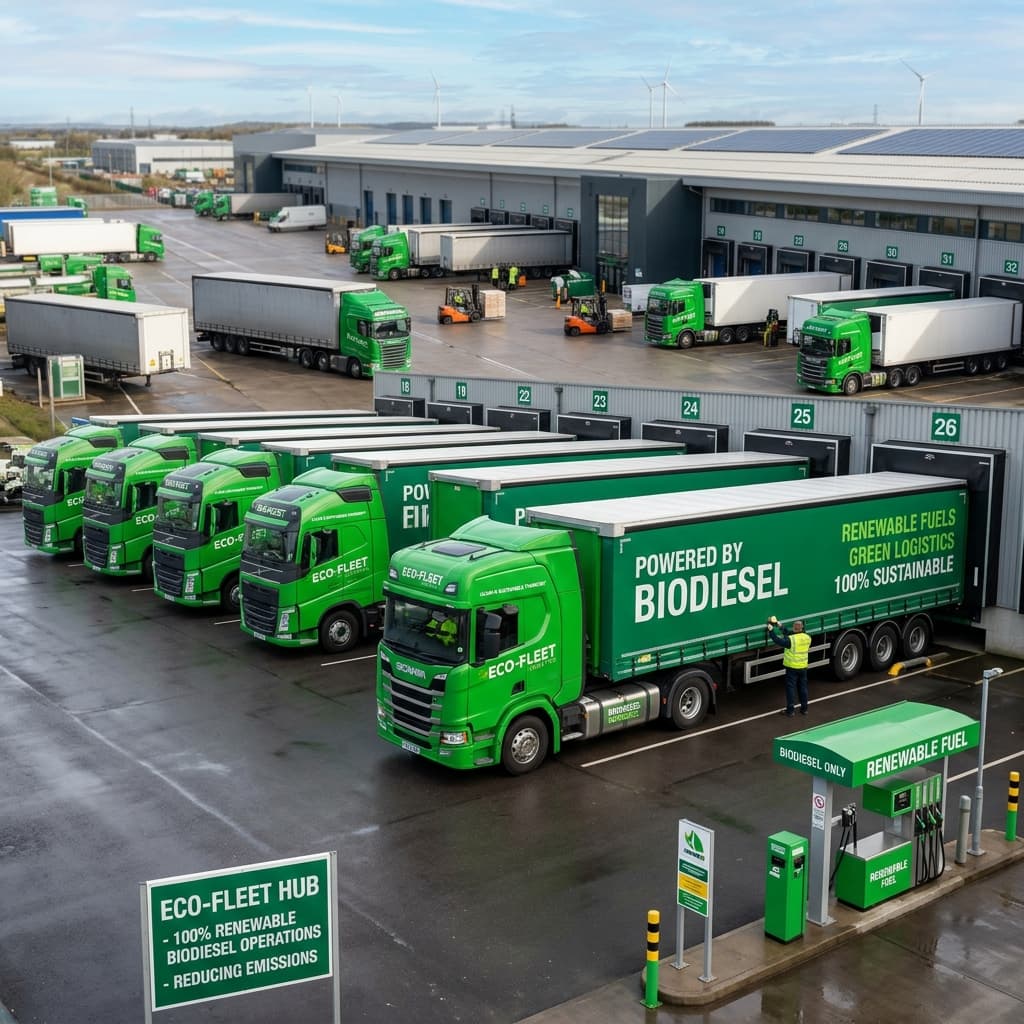
The Surge of HVO & Renewable Diesel in Commercial Transport

Replacing Fossil Paraffins with Sustainable Oleochemicals
Have Questions About Sourcing Certifications?
Connect with our corporate sustainability consultants to discuss product LCA computations, audit parameters, or logistics allocations.
Get in Touch